
Installation by Building Type
Tailored solutions for every type of home or project.
Not all buildings are built the same — and neither are their windows and doors. From ultra-efficient passive homes to multi-unit plexes, we understand how building type affects everything from sizing and insulation to airflow and building code.
At Fentec, we don’t just install — we assess, adapt, and execute with purpose.
Here’s how we approach different types of buildings:
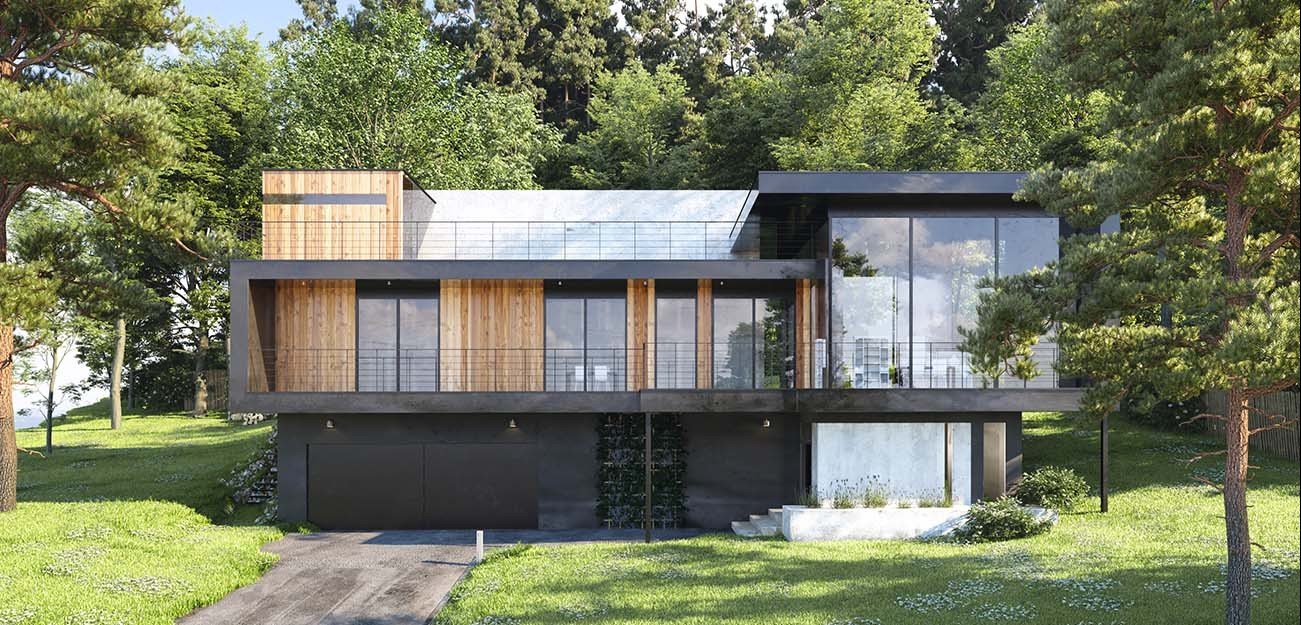
Passive House
Passive homes demand exceptional energy performance. These structures use thick wall assemblies, airtight envelopes, and advanced ventilation systems. Installing windows and doors in passive builds is highly technical — every seal and shim matters.
Our approach:
- We install triple-glazed windows with insulated frames and warm-edge spacers.
- Use thermal breaks and continuous insulation around openings.
- Air sealing is done meticulously to avoid compromising the passive envelope.
- We work with your architect to ensure window placement and solar gain strategies are preserved.
- CSA-A440 compliance plus passive house methodology = high-performance results.
Why it matters: A poor install can break the entire energy model. Our experience with passive and near-net-zero homes makes us the safe choice.
Quick Links
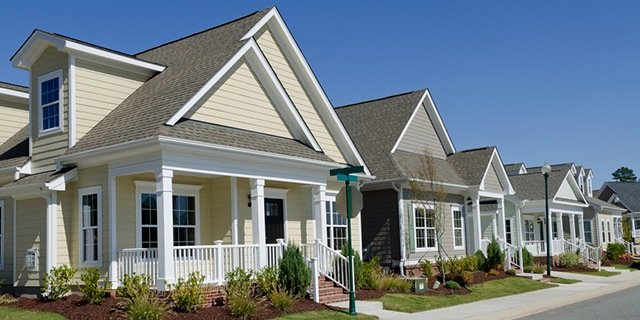
Single-Family Homes
Whether it’s a new build or a renovation, single-family homes vary in age, wall construction, and existing window standards. We’re equipped to handle any scenario — from legacy wood frames to modern energy code compliance.
Our approach:
- Full-frame replacement or retrofit installs, depending on scope.
- Careful removal and re-flashing where necessary.
- Attention to aesthetic details: trims, alignment, and air sealing.
- Recommendations for window types that match the home’s architecture and usage.
Why it matters: A great install should improve comfort, reduce drafts, and elevate curb appeal — all at once. That’s our goal every time.
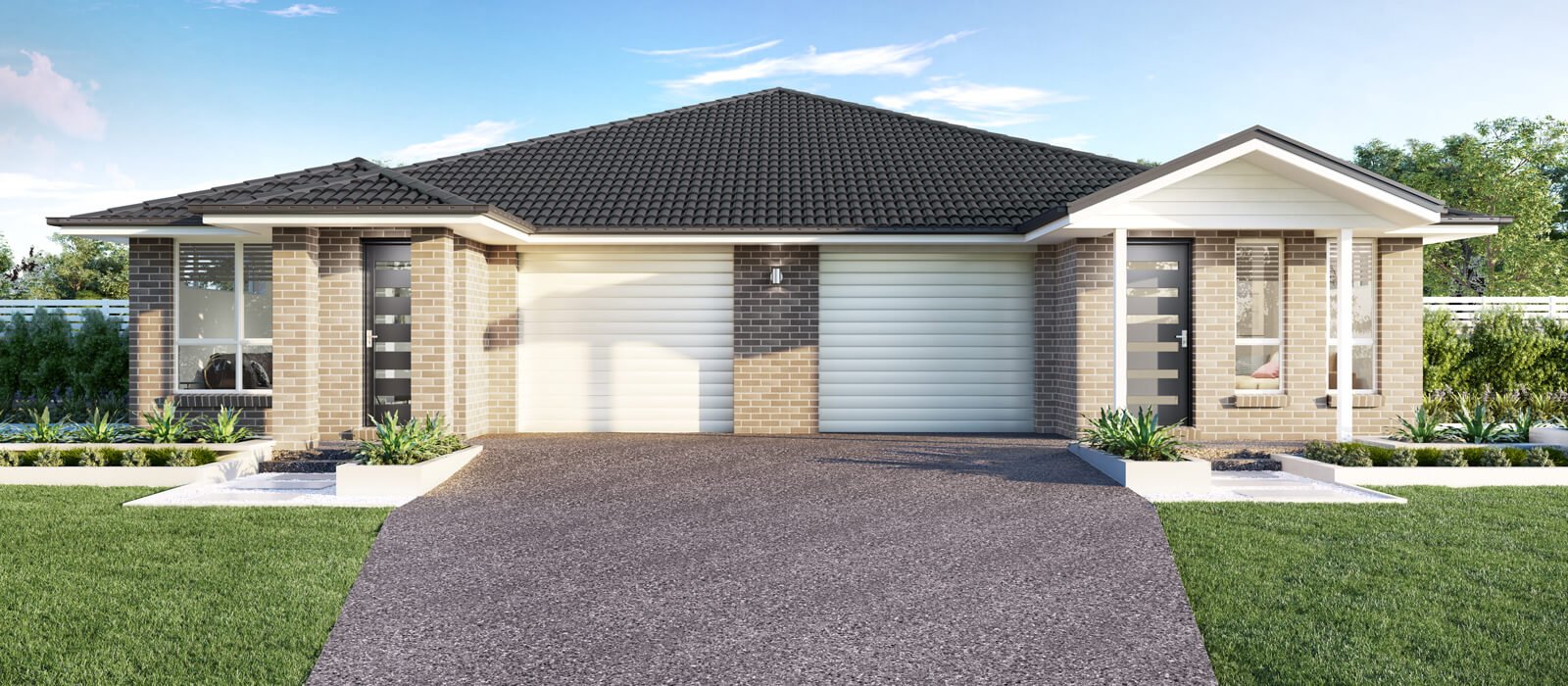
Duplexes, Triplexes & Plexes
Plexes are a staple in Montreal’s residential landscape. Their architecture brings unique challenges: stacked units, shared walls, balconies, older masonry, and tight access points.
Our approach:
- We coordinate per unit — often while the building is occupied.
- Secure access for high-level installs (with cranes or scaffolding if needed).
- We adapt to mixed wall conditions: brick, stucco, siding.
- Soundproofing is considered when choosing window configurations.
- Phased installation plans to minimize disruption.
Why it matters: These are high-value properties where precision equals long-term peace of mind. We’ve installed in hundreds of plexes — we know what to expect, and how to deliver.
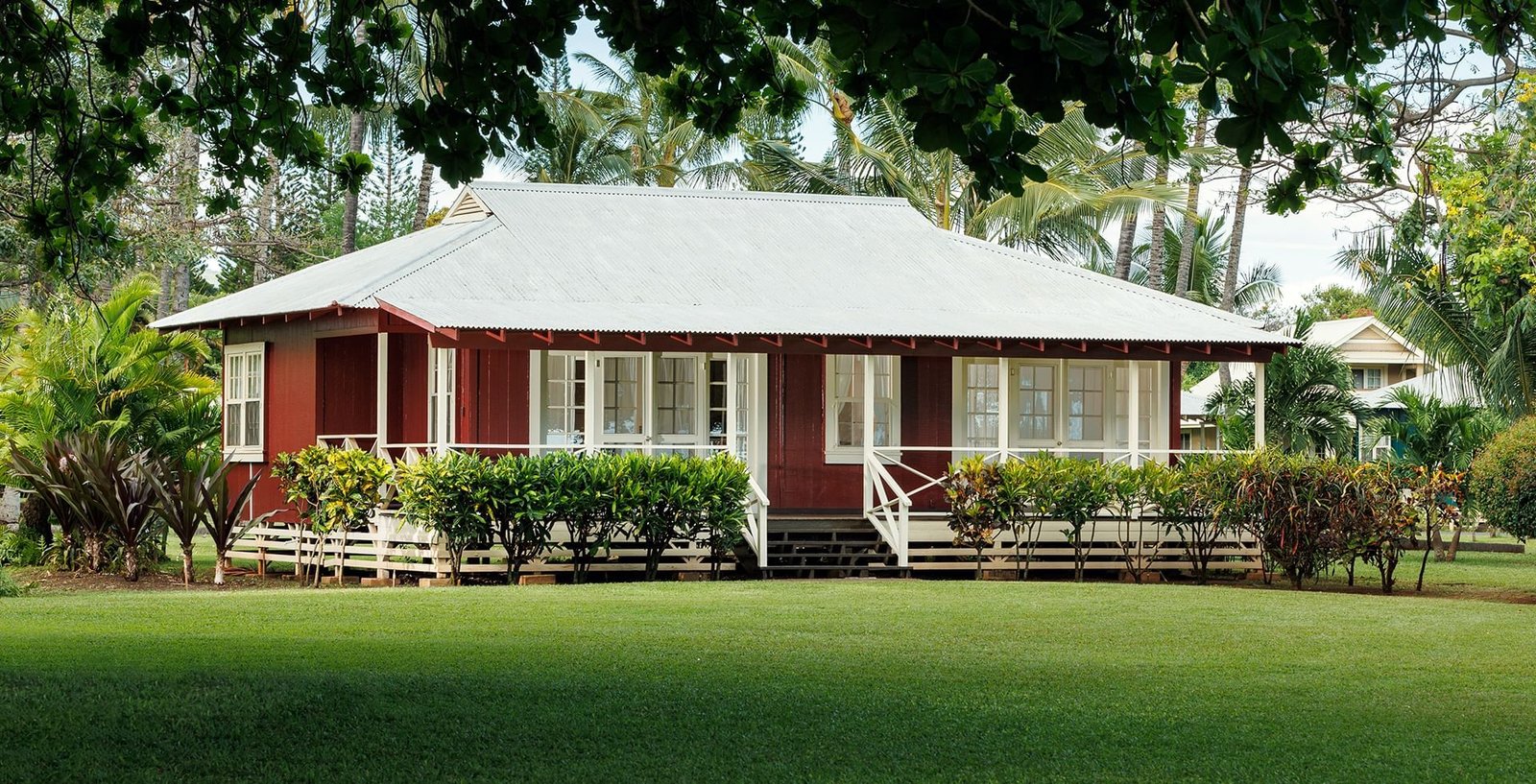
Cottages & Secondary Residences
Cottages often have unique requirements: seasonal usage, less insulation, or challenging access due to terrain. These homes may also require different ventilation strategies and moisture control.
Our approach:
- We offer window and door models suited for cold starts and low-maintenance operation.
- Optional insect screens, multipoint locks, and moisture-resistant finishes.
- Proper insulation and waterproofing to protect from freeze-thaw cycles.
- Flexible scheduling for remote locations.
Why it matters: In remote or exposed settings, poor installation causes costly issues fast. We bring urban-level precision to rural projects.
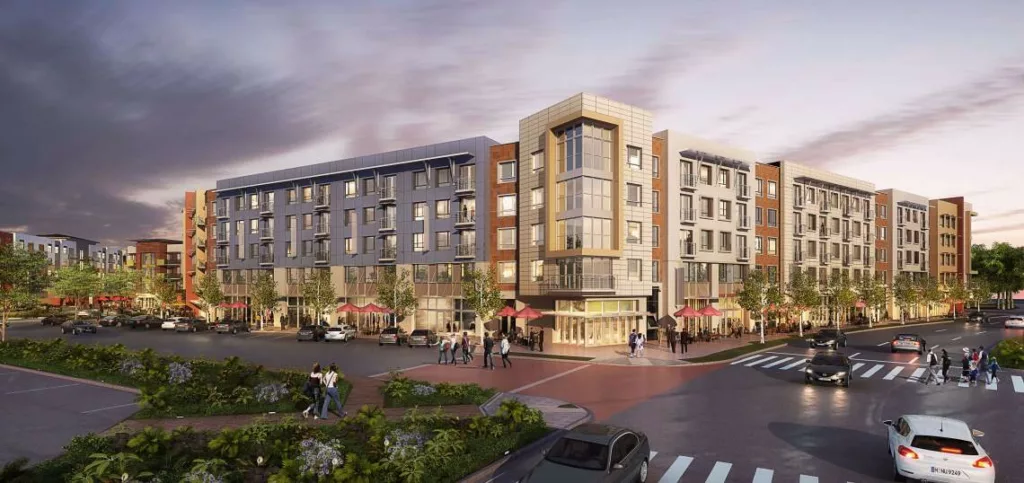
Light Commercial & Mixed-Use
We also serve light commercial and mixed-use projects — storefronts with residential units above, offices, and commercial renovations.
Our approach:
- We coordinate with GC or architect for large orders or phased installs.
- Oversized storefront glazing or curtain wall support available.
- Secure installation of fire-rated doors or acoustic units.
- We provide commercial-grade anchoring and framing systems.
Why it matters: Even small commercial projects have tight schedules and code requirements. We show up prepared and deliver professional-grade results.
- Already working with an architect or GC? We integrate seamlessly into your team.
- Unsure what type of windows or doors suit your project? We’ll guide you, explain the pros and cons, and make recommendations based on your building’s type, layout, and long-term needs.